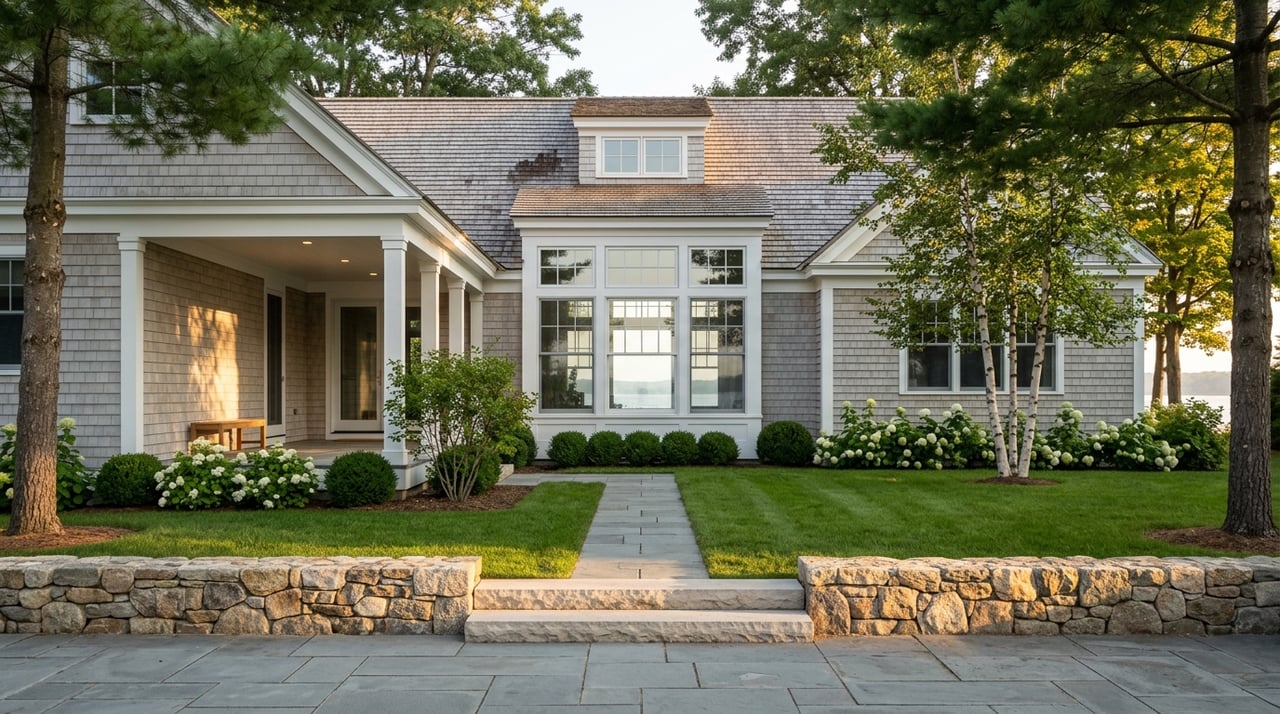
Pricing A Harbor Springs Waterfront Home With Confidence
May 28, 2026
If you own a waterfront home in Harbor Springs, pricing it can feel unusually high stakes. A lakefront property is never just a house, and buyers are not only comparing bedrooms and bathrooms. They are weighing shoreline, views, access, lot shape, and what they can realistically do with the property after closing. That is why a confident pricing strategy starts with the waterfront itself. Let’s dive in.
In Harbor Springs, waterfront is a small and segmented market. Public listing portals currently show a mix of waterfront houses, condos, and land parcels, with asking prices ranging from about $225,000 for land to $8.25 million for a large home. That spread alone shows why broad citywide averages are not a reliable way to price a true waterfront property.
A more useful comparison is a sale that looks and functions like yours. One recent example is 1057 Beach Rd, which closed on April 17, 2026, for $1.695 million after 28 days on market. The listing highlighted water views, a private beach, and thoughtful updates, which is exactly the kind of comp detail that matters more than a generic Harbor Springs price per square foot.
Harbor Springs zoning also treats waterfront as a distinct product. The city’s RW district is intended for single-dwelling homes on larger lots along Lake Michigan, with standards meant to limit over-development while preserving shoreline character, public access, and viewsheds. In other words, the market and the rules both tell you the same thing: waterfront value is highly specific.
When a buyer looks at a Harbor Springs waterfront home, they are usually buying an experience before they are buying interior square footage. The quality of the shoreline, the width of the view, the relationship to the water, and the property’s permitted use envelope often shape value first.
That matters because two homes with similar square footage can perform very differently in the market. A property with direct Lake Michigan frontage and a broad water view should not be priced like a home with only a partial glimpse of the lake. Likewise, a bluff-front property and a walkout beach-front property may appeal to different buyers and deserve different comp sets.
Research on coastal housing supports this approach. Waterfront premiums are real, but they are highly local, and the value of a view changes based on distance from the water and the scope of the view. For Harbor Springs sellers, that means the right question is not, “What are homes selling for nearby?” but rather, “What are buyers paying for this specific shoreline experience?”
One of the biggest pricing mistakes sellers make is grouping unlike properties together. In a thin market, even a small mismatch in comp selection can throw off your list price.
For Harbor Springs, it helps to sort properties into practical waterfront buckets such as:
Those categories matter because buyers do not treat them as interchangeable. A full water view, private frontage, and a wide buildable lot create a different value story than lake proximity alone.
You also want comps that line up on the basics that truly move waterfront pricing, including:
This is where nuanced pricing matters most. In Harbor Springs, a home’s relationship to the shoreline can carry more weight than an extra bedroom or a finished lower level.
Waterfront buyers are not only buying the home that exists today. They are also buying the property’s future options. That is why lot width, lot area, and buildability can have a major effect on value.
In the RW district, Harbor Springs requires a minimum lot width of 100 feet and a minimum lot area of 25,000 square feet. Those standards help explain why frontage and lot configuration are so important in pricing. A larger, better-shaped parcel may offer more flexibility and a stronger long-term value story than a similar home on a constrained lot.
In the WF district, the city requires a 25-foot waters-edge setback, a 100-foot minimum lot width, and a 10,000-square-foot minimum lot area. If a property also has restrictions tied to slips, moorings, boat storage, lighting, screening, or shoreline alterations, those details can influence how a buyer sees usability and value.
Not all waterfront is equal, even on the same stretch of shoreline. Beach quality, bluff exposure, elevation, vegetation, and shoreline protection all affect how buyers experience the property.
Research shows that elevation and erosion conditions can influence value, and some protected nearshore properties have sold at a premium. But there is no simple rule of thumb for Harbor Springs. A seawall, revetment, or other protection feature may help support value in one setting, while in another case buyers may focus more on legal limits, maintenance, or how natural the shore feels.
That is why your pricing strategy should include the full shoreline story. If your property has a strong view corridor, an attractive natural edge, or a usable stretch near the water, those features deserve attention. If bluff conditions, erosion concerns, or limited access affect the buyer experience, they should be accounted for early rather than after the market pushes back.
Harbor Springs has specific waterfront rules that matter when pricing a property. These rules can shape what buyers believe they are actually purchasing.
The city has a shoreline protection strip that extends 35 feet inland from the established 1985 ordinary high water mark of 580.5 feet, unless the parcel falls under certain exceptions such as a bottomland lease or public-owned property. Within that strip, vegetation disturbance is restricted, native restoration is preferred, and only limited structures like walkways and stairs are generally allowed.
That means a buyer may not be able to alter the shoreline area in the way they first imagine. If your value story depends on open views, beach access, landscaping, or shoreline improvements, those elements need to be understood within the city’s rules.
Harbor Springs also requires waterfront review for a new residence or major reconstruction when costs exceed 50% of the property’s state equalized value. Site plan review is also required for certain slips, moorings, and shoreline alterations. In the WF district, activities such as dredging and bulkheading are subject to city, state, and federal rules.
For pricing, the takeaway is simple: the easier a property is to understand and the clearer its permitted use, the easier it is to price with confidence.
A waterfront buyer will often ask not just, “What is here now?” but also, “What constraints come with it?” That is why floodplain and erosion review should be part of pricing preparation.
Harbor Springs has a Floodplain Overlay District to comply with FEMA requirements, so floodplain status needs to be checked parcel by parcel. If a property sits in or near a regulated floodplain, that can affect buyer planning and the overall value conversation.
Michigan EGLE also notes that Great Lakes water levels move seasonally by about 1 to 2 feet and can vary by several feet over decades. For some properties, that variability may influence how buyers think about access, shoreline use, stairs, landscaping, or future improvements.
EGLE’s High-Risk Erosion Area program is another factor worth reviewing, especially for bluff or erosion-sensitive parcels. The program identifies shorelines receding at an average rate of at least one foot per year over 15 years and applies setbacks based on projected recession 30 and 60 years into the future. If a parcel may be affected, that should be part of your pricing analysis before you go to market.
It is common for sellers to look at assessed value as a starting point. In waterfront pricing, that number can be useful background, but it should never be treated as a list-price shortcut.
Harbor Springs states that assessed and taxable values are determined through Michigan’s assessment and equalization process to current market value for tax purposes. That makes assessed value relevant for taxation, not a substitute for a true waterfront pricing analysis.
This distinction matters even more on the lake. When only a handful of properties truly compete with yours, the market may reward or discount features that a tax assessment does not fully capture, such as view width, bluff profile, beach quality, frontage depth, or redevelopment flexibility.
If you want to avoid overpricing or underselling, the best first step is to frame your home correctly. Harbor Springs waterfront buyers are not shopping a generic neighborhood average. They are looking for a precise combination of location, shoreline, view, and usability.
Before setting a price, it helps to review:
This is also where presentation and positioning come into play. On waterfront listings, exterior presentation, shoreline condition, and view corridors can matter just as much as the interior finish level. Buyers want to understand not just the house, but the full lifestyle and long-term potential.
Waterfront pricing is often less forgiving than inland pricing. When inventory is limited and true peers are scarce, even a small pricing miss can affect activity, days on market, and negotiating leverage.
That is why the strongest pricing strategy is both analytical and practical. You want to match your property to the right buyer pool, account for the local rules that affect future use, and position the home around the shoreline experience buyers are actually paying for.
In Harbor Springs, that kind of pricing is part market knowledge and part product positioning. It requires seeing the home the way a buyer will see it, then backing that story with the right comps and local context.
If you are considering selling a waterfront property in Harbor Springs, a thoughtful pricing conversation can protect value and reduce guesswork from the start. For tailored guidance grounded in local knowledge, strategic positioning, and luxury waterfront experience, connect with Genna Hill.
Stay up to date on the latest real estate trends.

Connect with a real estate professional who values trust, insight, and personal attention. Every step is guided by a deep understanding of what “home” truly means.