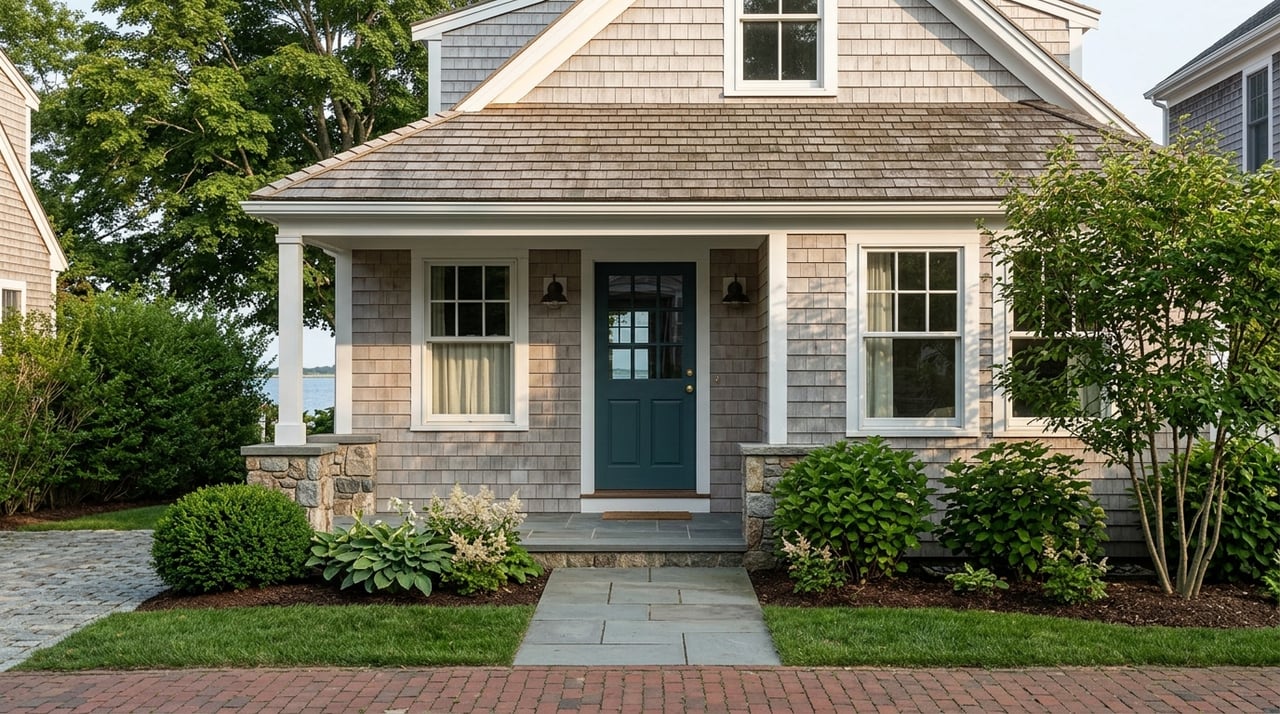
Charlevoix Waterfront Living Guide: What Buyers Should Know
June 25, 2026
June 25, 2026
If you have ever wanted a home that feels connected to the water at nearly every turn, Charlevoix is hard to ignore. This small city sits on an isthmus between Lake Michigan and Lake Charlevoix, with Round Lake woven right into downtown life, so your daily routine can feel shaped by shoreline views, marinas, beaches, and walkable blocks. If you are considering buying here, it helps to understand not just the beauty of the setting, but how waterfront access, zoning, seasonality, and property rules can shape your experience. Let’s dive in.
Charlevoix offers a rare physical setting. The city borders Lake Michigan, Lake Charlevoix, and Round Lake, which gives it a distinctly water-centered identity that is built into everyday living, not tucked away at the edge of town.
That layout matters when you are choosing where and how to live. East Park sits steps from the business district on Round Lake, and the downtown area connects closely to the waterfront through parks, a marina, and boardwalk access under the bridge to Bridge Park and the Pine River Channel.
Downtown Charlevoix is compact and walkable. The city defines its downtown business district within a relatively small area, and the setup reinforces a lifestyle where you can move easily between storefronts, parks, and the water.
The experience is not especially car-first. There are no-wheels zones from the Round Lake waterfront to Bridge Street storefronts and along the Pine River Channel, and marked crosswalks are required in the downtown business district.
Parking patterns support that same feel. Summer brings metered on-street parking, while free public lots behind Bridge Street help balance visitor traffic with day-to-day convenience.
In Charlevoix, access to the water is not limited to private frontage. The city has four public beaches, along with rentable pavilions at Lake Michigan Beach, Depot Beach, and Ferry Beach, and East Park adds a marina, fountain, pavilion, and waterfront green space right near downtown.
For many buyers, this broad public access can change what they need from a property. You may decide you do not need direct frontage to enjoy the lake lifestyle if your priorities lean more toward walkability, downtown energy, and easy access to beaches and boating facilities.
That said, not all water access works the same way. If boating is important to you, it is smart to verify whether a property has deeded dockage, marina access, or only practical use of public launch options.
One of the biggest decisions in Charlevoix is not simply location. It is the kind of waterfront relationship you want.
Lake Michigan frontage can come with more physical and regulatory complexity. Michigan EGLE states that Great Lakes shorelines are actively changing, and some high-risk erosion areas require setbacks based on projected shoreline recession.
Permits may also be required for filling, dredging, or placing structures on Great Lakes bottomlands. EGLE describes Great Lakes shoreline property as a movable freehold, which reflects the fact that the water edge can shift with lake levels over time.
If you are considering a Lake Michigan parcel, that means beauty and exposure often go hand in hand. You will want to understand setback rules, erosion conditions, and whether any shoreline work could trigger review before assuming future changes will be simple.
Lake Charlevoix ownership often centers more on boating access and dockage. In practical terms, buyers often focus on how they will get on the water, where a boat can be kept, and whether the property includes the access they expect.
The city offers seasonal slips, Burns Street dock slips, a marina at East Park, and a municipal launch at Ferry Beach. Even with those public options, it is important to confirm the exact dockage situation tied to any specific property.
If you are thinking ahead about shoreline protection, do not assume it is routine. EGLE notes that seawalls and steep riprap can affect water quality, habitat, and neighboring parcels, so shoreline work often needs careful, site-specific review.
That is especially important for buyers who see a project and immediately start imagining fixes. In waterfront markets, the right question is not just what you can build or change, but what the site and regulations will actually support.
Charlevoix may be small, but the housing experience can vary a lot from one block to the next. The city’s zoning framework includes residential, commercial, industrial, and mixed-use districts, which supports a broader range of property types than many buyers expect in a compact lake town.
In and around the core, that can translate into older homes, compact lots, historic structures, mixed-use settings, and in some cases accessory dwelling unit possibilities. It is less of a one-pattern housing market and more of a layered fabric shaped by waterfront geography and long-term development.
This is one reason local guidance matters. A charming in-town property may offer walkability and character, but it may also come with design review, lot constraints, or rental rules that need a closer look.
If you love older homes or architecturally distinctive properties, Charlevoix has plenty of appeal. But buyers should know that exterior changes in historic districts may be regulated by the Historic District Commission.
The city also recommends a pre-application meeting before renovation or construction. That is a valuable step if you are planning additions, exterior updates, or a more ambitious redesign.
For design-minded buyers, this does not need to be a drawback. It simply means that vision should be paired with process, especially in a town where historic character is part of the setting people value.
Many second-home buyers wonder whether a property could also serve as a short-term rental. In Charlevoix, that answer is not automatic.
The city maintains a registration and wait-list system for short-term rentals and publishes a current list of licensed properties. Some accessory dwelling units may be used as short-term rentals if the owner lives on site and the residential-district cap has not been reached.
If rental potential matters to you, verify the property’s current status before you buy. You will want to understand whether the parcel is already licensed, where it stands relative to any wait-list, and whether ADU use is even possible on that site.
A home in Charlevoix can feel very different in July than it does in January. Summer is the busiest season, and the city’s own service patterns reflect that shift, with water system flow rising from roughly 400,000 gallons per day in normal periods to as much as 2.5 million gallons per day in summer.
That seasonal rhythm can be part of the charm. If you want energy, visitors, active beaches, and a lively downtown, summer delivers that experience.
Winter brings a different version of town. Mt. McSauba offers a ski hill, ice rink, sledding hill, and cross-country trails, and the city also hosts Candlelight Hikes from mid-December to mid-February.
For some buyers, that means Charlevoix works beautifully as a year-round home. For others, it may feel more like a seasonal retreat with a quieter off-season personality.
In Charlevoix, the most important questions often go beyond square footage and finishes. A beautiful home can live very differently depending on its water exposure, access, review requirements, and seasonal setting.
Here are a few smart points to verify early:
Charlevoix is easy to fall in love with quickly. The harder part is understanding how two waterfront systems, a compact downtown, public access, seasonal demand, and local regulation all shape property value and daily use.
That is why buying here benefits from a thoughtful approach. The right property is not just the prettiest one on the first tour. It is the one that matches how you want to live, what level of flexibility you need, and what the site can realistically support over time.
If you are thinking about owning a home in Charlevoix, working with a real estate advisor who understands both lifestyle fit and property strategy can make the process far more clear. To start a conversation about waterfront, in-town, or seasonal homes in Northern Michigan, connect with Genna Hill.
Stay up to date on the latest real estate trends.


Connect with a real estate professional who values trust, insight, and personal attention. Every step is guided by a deep understanding of what “home” truly means.