
Living In Downtown Petoskey Versus The Waterfront Areas
June 11, 2026
June 11, 2026
If you are deciding between Downtown Petoskey and one of the area’s waterfront communities, you are really choosing between two different ways to live. One offers daily convenience, walkability, and a more traditional in-town rhythm. The other leans into shoreline views, resort amenities, and a more lifestyle-driven ownership experience. If you understand how those differences show up in housing, maintenance, and resale, you can make a smarter move with more confidence. Let’s dive in.
Downtown Petoskey is the city’s historic mixed-use core, and that shapes everyday life in a very practical way. According to the city’s master plan, downtown functions as a community gathering place, with an intact street grid, pedestrian-oriented design, and more than 100 residential units already within the downtown development area.
For you as a buyer, that often means a more connected day-to-day experience. The downtown organization also highlights features like a Social District, trolley service, and parking maps, all of which support a lifestyle where errands, dining, and events can feel close at hand.
Living downtown usually means being closer to shops, restaurants, sidewalks, and city activity. The planning documents also support higher-density housing near commercial areas, with the goal of reducing dependence on a car.
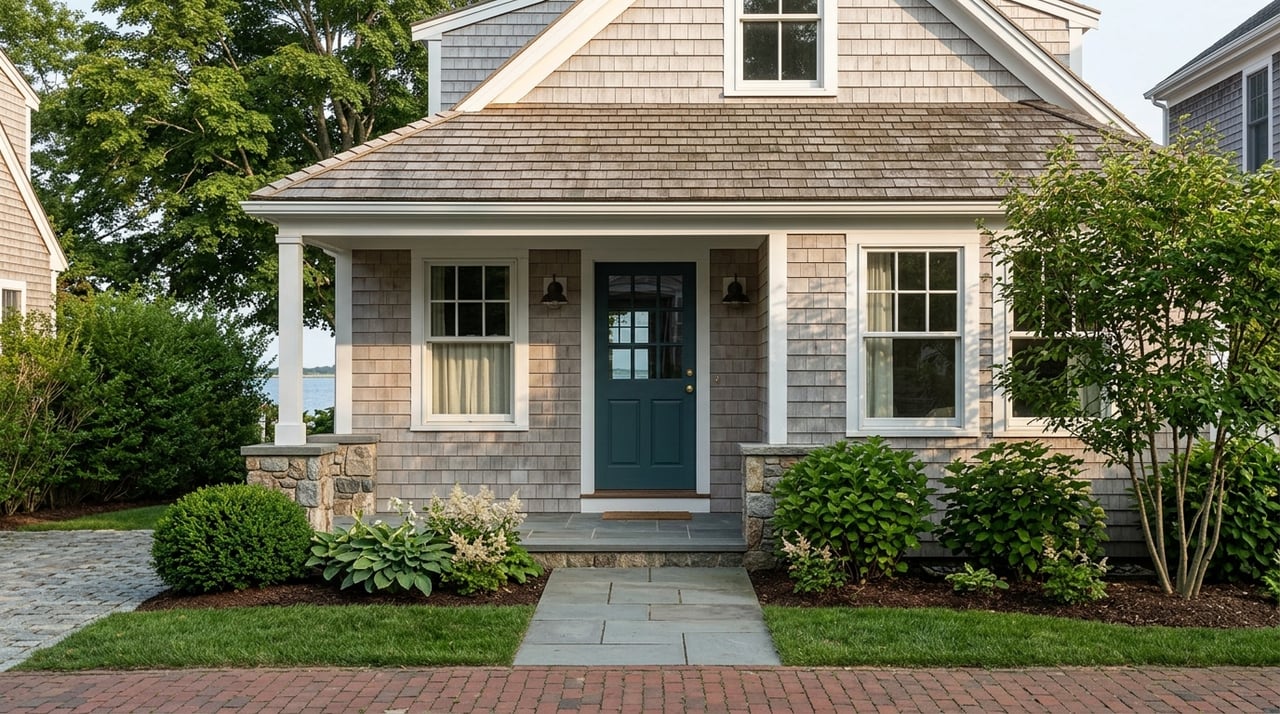
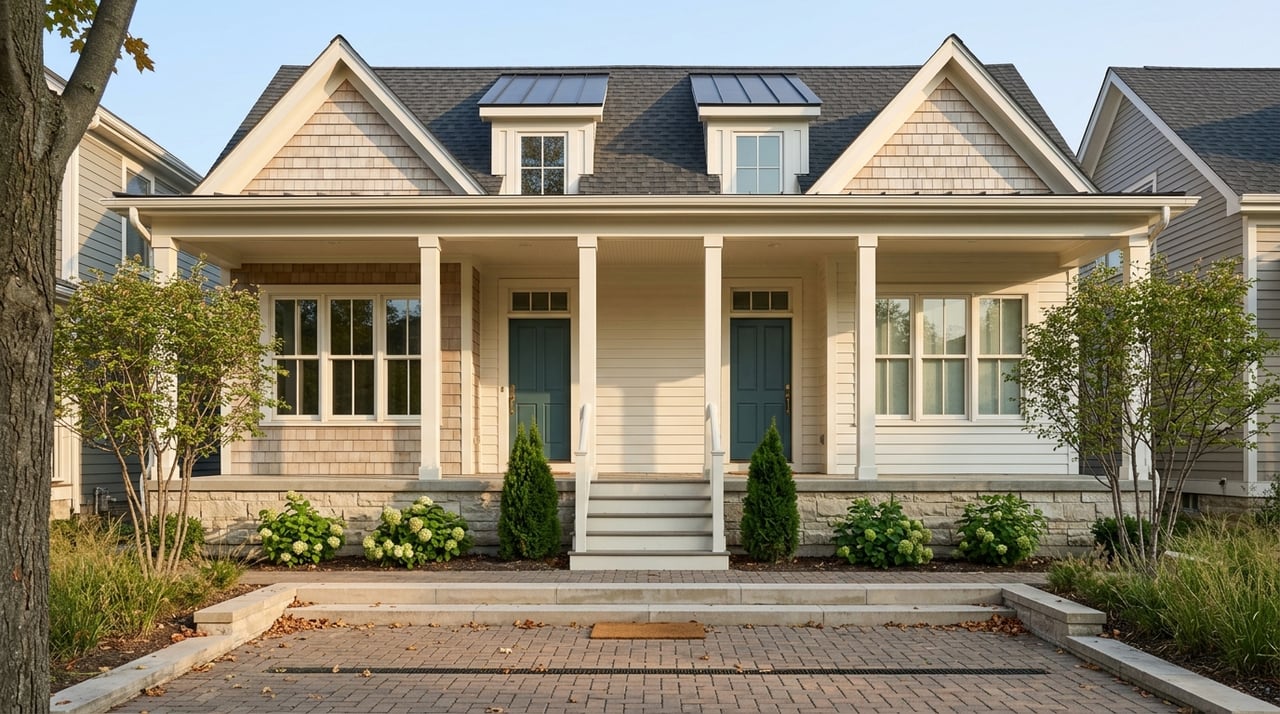
That does not mean every property is the same. Housing near downtown has historically included single-family homes, converted homes, and apartments, which creates a more varied in-town housing mix than you often find in shoreline or resort communities.
Petoskey’s waterfront and resort-adjacent options come with a very different identity. In this market, Bay Harbor and Bay View are two useful examples because each reflects a distinct type of waterfront living.
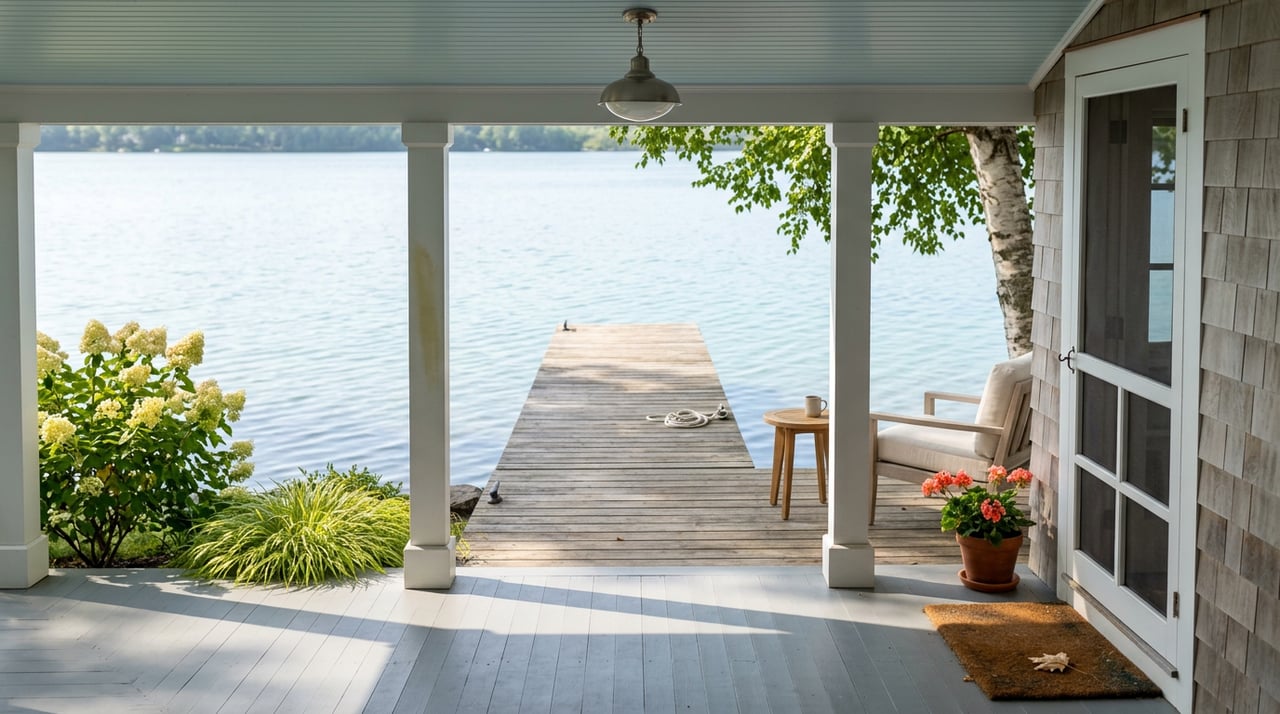
Bay Harbor is a four-season resort community along five miles of Lake Michigan shoreline between Petoskey and Charlevoix. Official community materials describe village retail, waterfront dining, a marina, golf, boutique lodging, and housing options that range from luxury homes to condos and yacht docks.
Bay View, on the other hand, is a historic summer community founded in 1875. Its association states that residence is limited to May through October, and the campus includes more than 440 cottages and over 30 public buildings.
If you are drawn to waterfront ownership, the appeal is easy to understand. You may be prioritizing lake access, marina access, views, resort services, or a property that feels more like a seasonal retreat.
At the same time, waterfront living is not one single category. Some communities are year-round and amenity-rich, while others have a clearly seasonal pattern or an ownership structure that feels very different from a standard in-town home.
One of the biggest distinctions between downtown and the waterfront areas is the type of housing stock you are likely to find. Downtown and nearby in-town neighborhoods tend to be more compact and more mixed in product type.
That broader mix can be helpful if you want flexibility. You may find condos, apartments, smaller homes, or properties with a more practical layout for year-round use and easier lock-and-leave living.
In many downtown settings, your ownership experience is shaped more by the house, building systems, parking, and nearby infrastructure than by shoreline issues. The city’s capital plans include investments such as sidewalk upgrades, utility undergrounding in downtown blocks, park improvements, and marina-building upkeep, which points to continued public investment in central-city infrastructure.
For many buyers, that translates into a simpler ownership profile. You are more likely to focus on the condition of the home itself and the convenience of the location, rather than broader shoreline management concerns.
Waterfront and resort-adjacent properties often come with more complexity. Bay Harbor’s materials emphasize multiple property types and a resort-oriented lifestyle, while Bay View has a seasonal structure and a cottage-based association culture tied to leaseholding members.
That matters because ownership may involve more than the home alone. Community rules, seasonal patterns, amenities, and property-specific shoreline conditions can all shape how the property functions for you over time.
This is where the choice becomes especially important. Downtown ownership and waterfront ownership can look similar in photos, but they often feel very different once you factor in upkeep and risk.
For downtown owners, the main concerns are often building systems, sidewalks, parking access, and general streetscape conditions. These are familiar issues for many buyers, and they usually fit within a more standard planning and maintenance routine.
If you want predictability, that can be a real advantage. A downtown or near-downtown property may offer fewer moving parts than a shoreline home, especially if your goal is year-round use.
Michigan EGLE states that Great Lakes shorelands are subject to coastal erosion and flooding, and certain shoreline activities require state permits. FEMA also notes that special flood hazard areas shown on Flood Insurance Rate Maps can trigger floodplain rules and, in many cases, flood insurance requirements for mortgages.
In Petoskey, this is not just a theoretical issue. City documents note the closure of a mile-long section of the Little Traverse Wheelway after slope failures and a 2020 bluff collapse, and the city’s capital plans include Bayfront Park shoreline stabilization and Bayfront West livable shoreline work due to high-water erosion.
If you are considering a waterfront property, it is wise to look beyond the view. You will want to understand site conditions, potential permit issues, erosion history, flood map implications, and any ongoing maintenance expectations tied to the shoreline.
That does not make waterfront ownership a bad choice. It simply means the lifestyle premium often comes with a different level of diligence.
In Petoskey, the market context also reinforces the difference between these two settings. Realtor.com’s current market overview shows 183 homes for sale, a median sale price of $948.8K, and a median of 82 days on market.
But broad market numbers only tell part of the story. A 2024 housing-gap report found that larger homes with waterfront proximity can sit in a much higher price bracket, with four-bedroom-or-larger listings at a median list price of $2,012,500 during that study period, and several of the largest homes priced at $2.575M or more primarily because of size and waterfront proximity.
Downtown product tends to appeal to year-round residents and buyers who value walkability, services, and everyday ease. That can support a broader resale audience because the lifestyle is practical, not just aspirational.
Research on the local market suggests that this wider buyer appeal is one of downtown’s strongest advantages. If resale flexibility matters to you, this is worth paying attention to.
Waterfront and resort properties can command a significant premium, but the buyer pool is often narrower and more lifestyle-specific. This can be especially true when a property is association-governed, seasonal, or shaped by shoreline maintenance and flood insurance questions.
Bay Harbor’s current neighborhood snapshot reflects that premium position, with a median listing price of $2.1M, 19 homes for sale, and 134 median days on market. That does not make waterfront less desirable. It simply means that pricing and buyer timing may behave differently than they do in town.
If you are trying to choose between downtown and the waterfront, the right answer usually comes down to how you want to live most days of the year. The school district footprint is broad, spanning the city and several surrounding townships, so for many buyers this is less about district access and more about lifestyle fit.
There is no universal winner between Downtown Petoskey and the waterfront areas. The better choice is the one that fits your routine, your tolerance for upkeep, your budget, and your long-term plans.
If you expect to use the property often and want convenience built into everyday life, downtown may offer more ease. If you are buying for the experience of being on or near the water and understand the added complexity that can come with it, the waterfront may be worth the premium.
A smart purchase in either location starts with looking at more than surface appeal. When you match lifestyle goals with maintenance realities and resale patterns, you put yourself in a much stronger position.
If you are weighing Downtown Petoskey against Bay Harbor, Bay View, or other waterfront options, working with an advisor who understands both lifestyle value and long-term positioning can make the process far more clear. To talk through what fits your goals best, connect with Genna Hill.
Stay up to date on the latest real estate trends.
Connect with a real estate professional who values trust, insight, and personal attention. Every step is guided by a deep understanding of what “home” truly means.